Hotel corridor — replace with photo
Hotel Room Service Delivery
Guest supplies, amenities and room-service trays delivered autonomously, with elevator integration and in-room phone notification.
We manufacture, configure and service delivery, reception, cleaning and AMR robots for hotels, restaurants, hospitals and warehouses. Final assembly, customisation and acceptance testing happen at our own facility in Shaoxing — not at a trading desk.
Every deployment starts with your floor plan, staffing model and service standard. We specify the robot after we understand the operation — not the other way round.
Guest supplies, amenities and room-service trays delivered autonomously, with elevator integration and in-room phone notification.
Multi-tray food running and bussing during peak hours. Reduces walking distance per shift and frees staff for guest-facing service.
Pharmacy, specimen and linen transport between departments. Reception and wayfinding robots for outpatient areas.
Greeting, wayfinding and promotion in lobbies and showrooms. Bilingual interaction with custom welcome scripts.
Autonomous scrubbing and dust-mopping for lobbies, corridors and large-format retail. Scheduled or on-demand operation.
Material handling and line-side replenishment with AMR platforms and AGV forklifts, integrated with your existing WMS flow.
Delivery, cleaning, reception, food service, humanoid, quadruped and industrial platforms — 150 models across nine categories, assembled, configured and acceptance tested at our own facility. The six below are the ones we deploy most often and hold spare parts for; the full range is listed by category with key specifications.
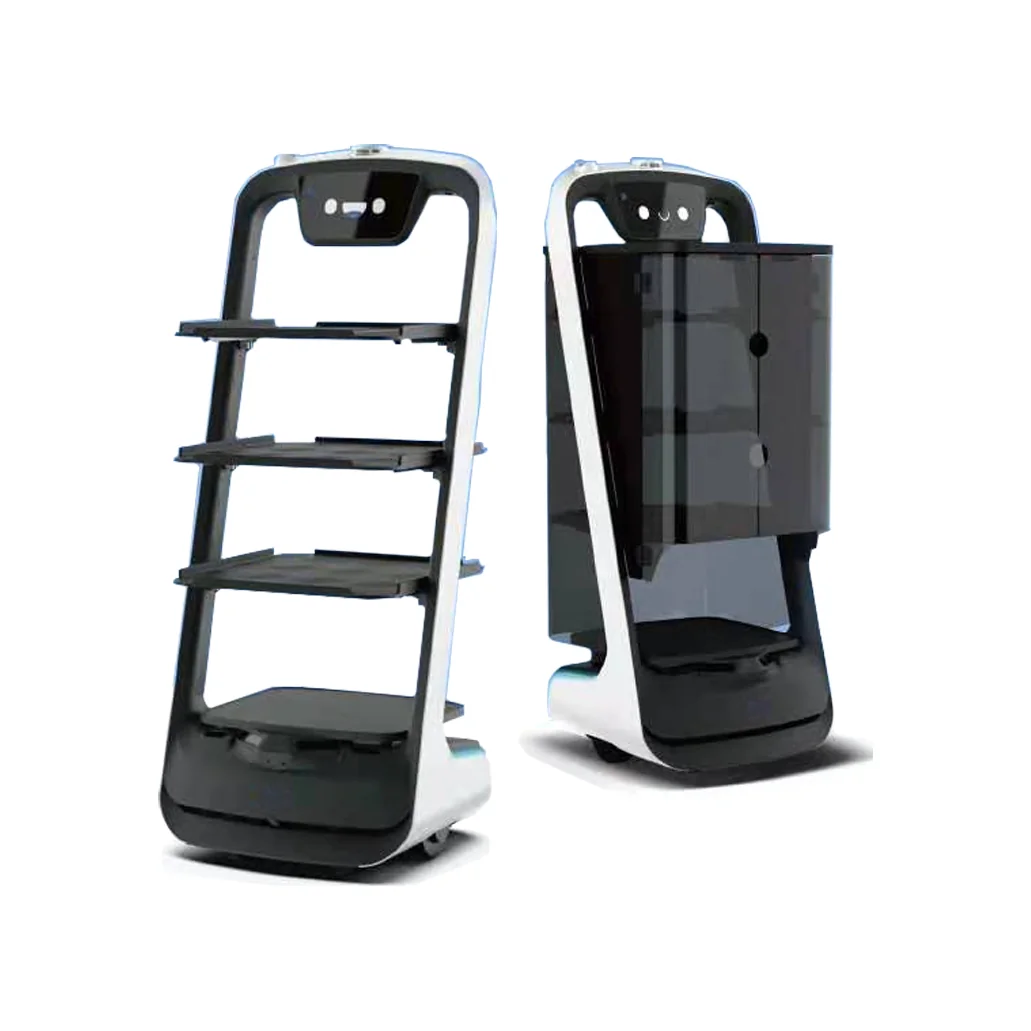
Multi-tray delivery platform for restaurants and building floors. Sealed compartments, autonomous return.
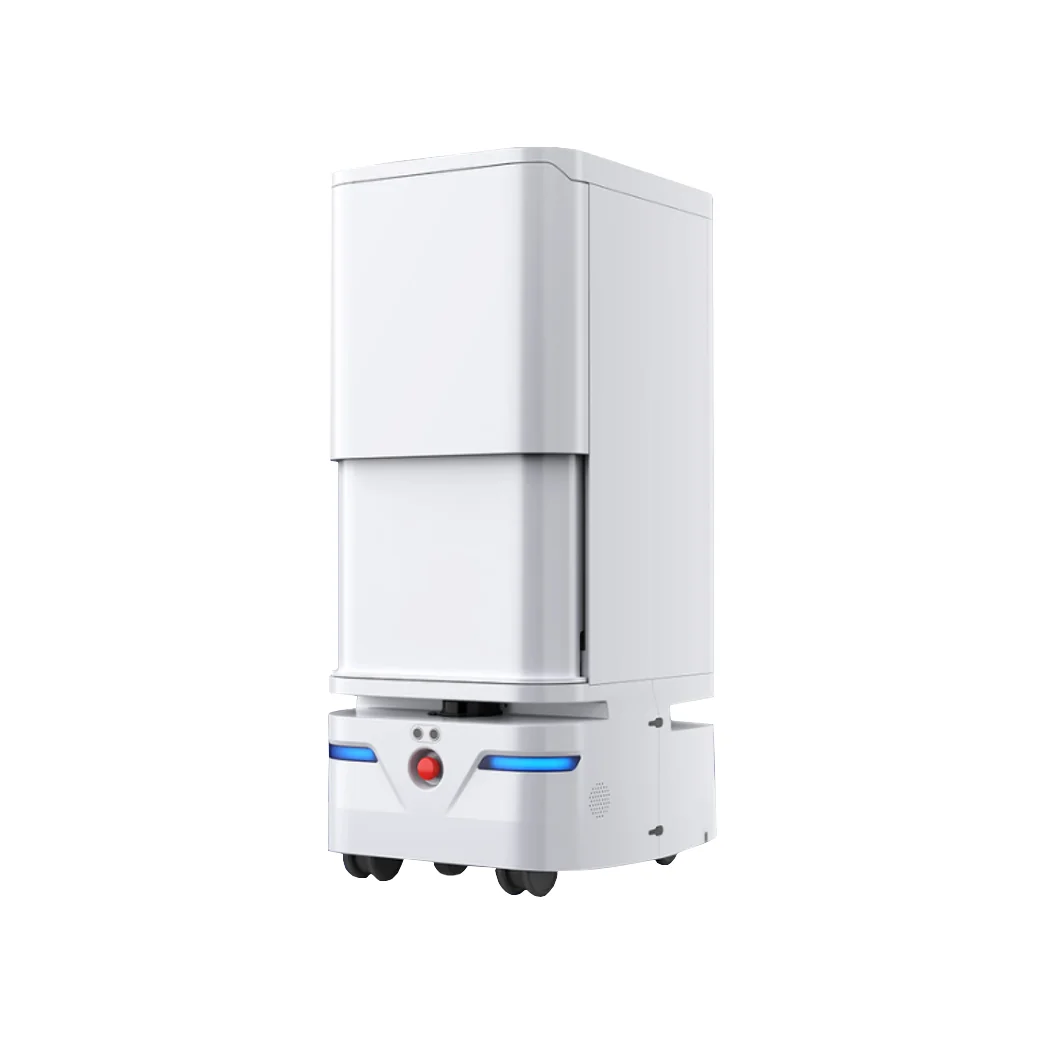
Hotel guest delivery with elevator integration and in-room notification. Designed for narrow corridors.
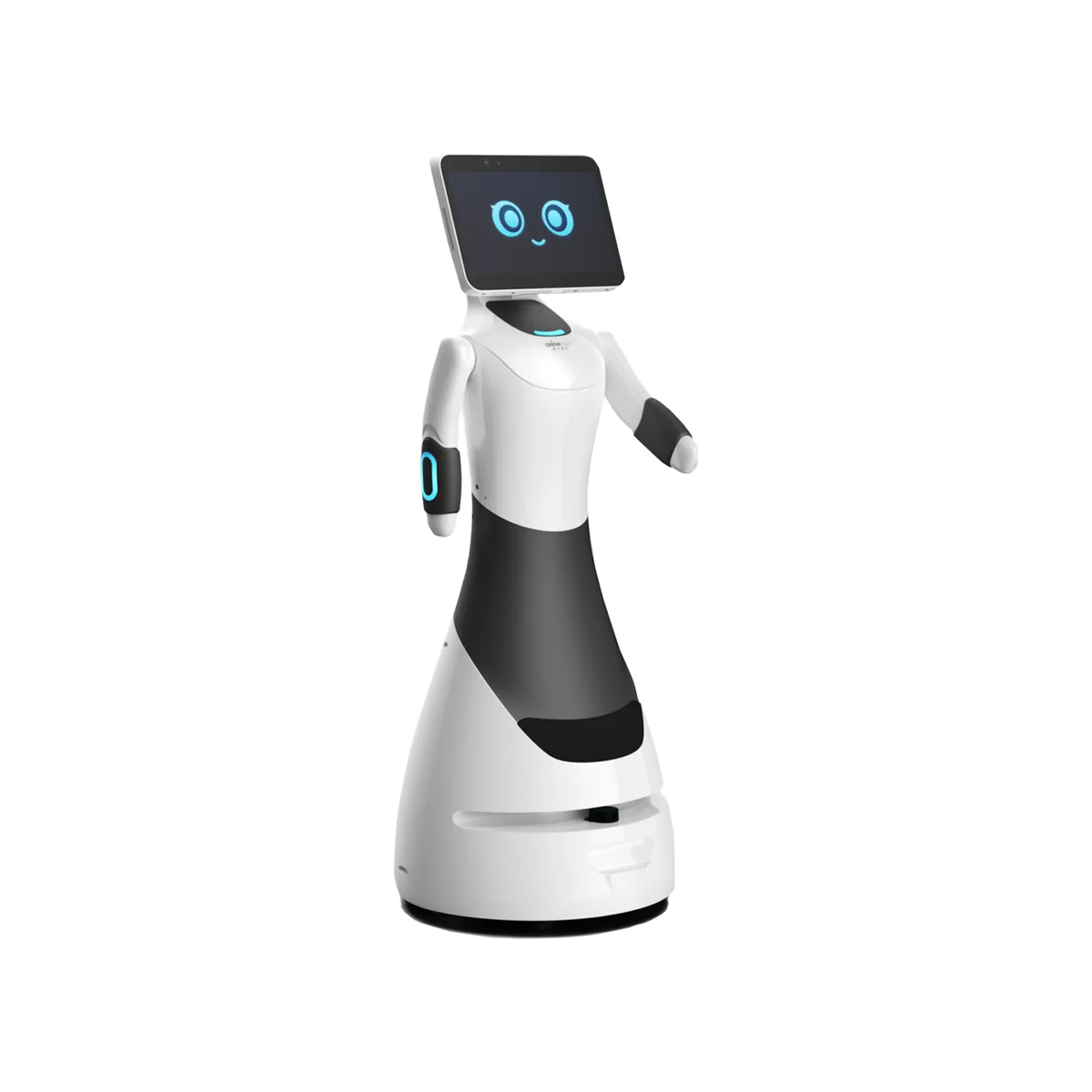
Greeting, wayfinding and Q&A for lobbies, clinics and showrooms. Custom welcome scripts and voice.
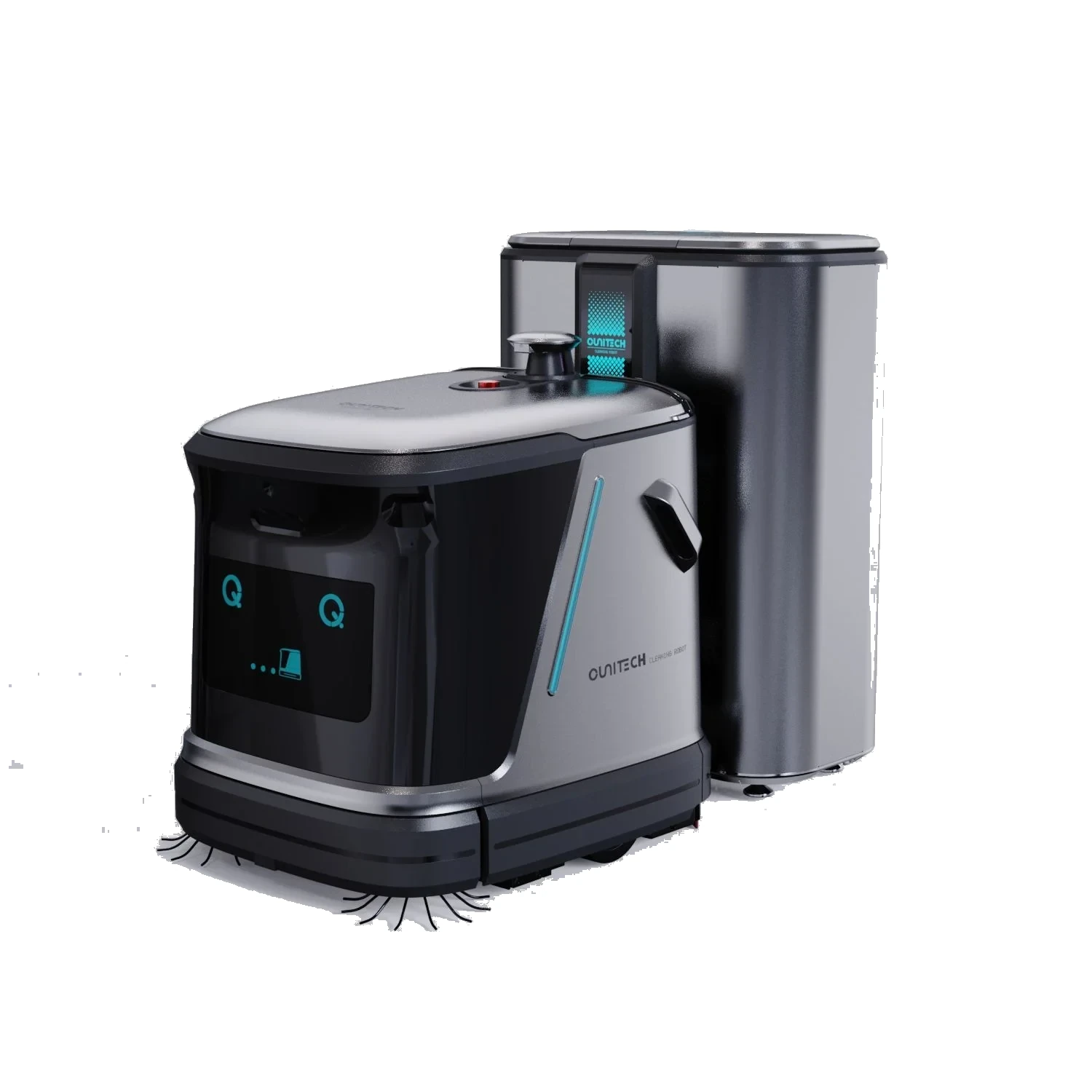
Compact scrubber for corridors and mid-size floors. Scheduled operation with automatic water refill and docking.
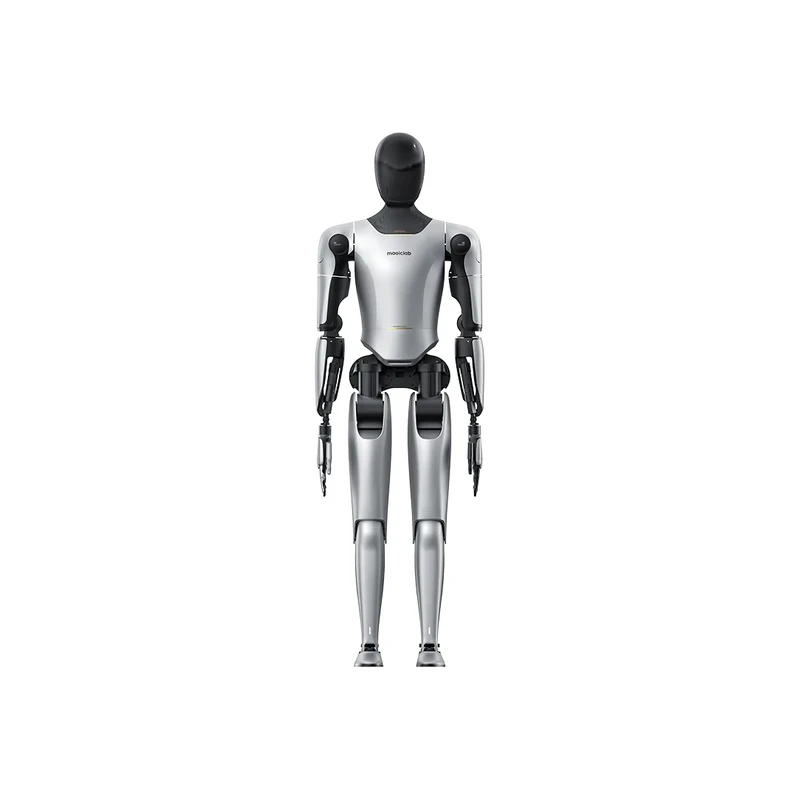
Embodied AI platform for demonstration, education and brand events. Custom interaction flows.
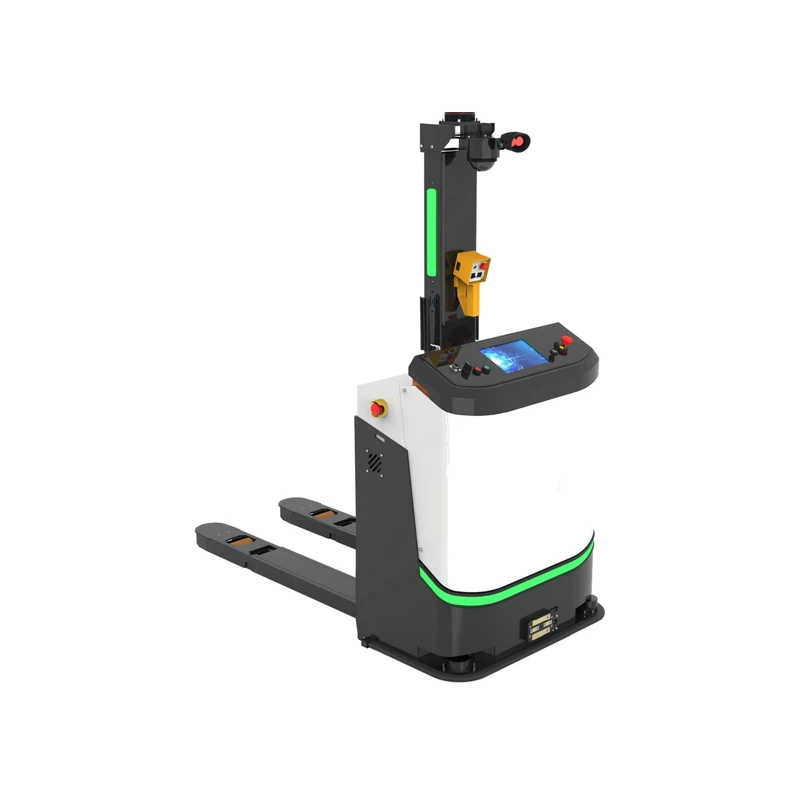
Material handling for warehouse and production lines. Configurable payload and lift height.
Plenty of exporters will forward your enquiry to a factory and add a margin. We assemble, configure and test the machine ourselves, and we are still the ones answering the phone two years later.
Final assembly, configuration, customisation and acceptance testing are carried out at our facility in Shaoxing by our own technicians. When a buyer asks to see the line, we can walk them through it — that is the difference between us and a broker with a catalogue.
Base platforms, drive systems, sensors and batteries come from more than ten established manufacturing partners. Building on proven platforms rather than reinventing a chassis is why we can cover 150 models across nine categories and still hold spare parts for all of them.
Compartment layout, branding, interface language and integration points are adapted for volume orders on our own line. We own the specification, the sample approval and the acceptance test, so nobody can tell you the change was not their job.
Remote diagnostics, firmware support and spare-parts dispatch from the same site where the machine was built. Response commitments are stated in writing before you order.
Zheyan is not a forwarder with a price list. We define the configuration, assemble the machine, calibrate it, test it against written acceptance criteria and crate it — then service it from the same site it was built on.
We start from the site, not the catalogue: corridor width, floor surface, lift interface, shift pattern. The output is a configuration sheet the production team can actually build against.
Compartment layout, tray count, exterior branding, interface language and integration points are fixed here. Volume orders get modified fixtures and dedicated build time on the line.
The base platform arrives from a specialist partner. The machine that ships is assembled, wired and configured by our own technicians — we do not forward sealed cartons with our logo on the pallet.
Navigation maps, sensor offsets and drive parameters are calibrated per unit, then the machine runs a burn-in cycle before it goes near a crate. A fault caught here costs us a day; a fault caught on your site costs you a week.
Every unit is run against a written checklist and photographed at the station where it passed. You approve the actual machine you are paying for, not a stock image of the model.
Foam crating, battery documentation, UN38.3 paperwork and the full export document set are prepared in-house, so the container does not sit at the port waiting for a certificate.
Where we deliberately do not compete: chassis, drive trains, lidar and battery cells. Those come from specialist partners who build them in volumes no robot assembler can match, and buying them is a large part of why our units clear certification first time. What we own is everything between the platform and your floor plan — the configuration, the build, the test and the service.
Most suppliers are responsive until the container leaves. These eight commitments are the part of the deal that starts afterwards, and every one of them is written into the quotation rather than left to goodwill.
Model, configuration, Incoterm and lead time in a single document. No "contact us for price" loop, no verbal number that changes later.
Every unit is run-tested on our own line and photographed at the test station before it is crated. You approve the machine you are paying for, not a stock image of one.
Each unit is registered against your order, so the warranty period starts from arrival and any future spare-part request is matched to a real machine.
Most faults turn out to be mapping, network or configuration. We diagnose remotely before anyone starts talking about shipping a robot back.
High-wear parts — wheels, bumpers, battery packs, lidar units — are kept in stock and dispatched by courier, typically within two working days.
Mapping, elevator integration and route tuning carried out by our engineer where the project size justifies it. Priced as a line item, not offered as a vague favour.
A handover session for front-desk and housekeeping staff, plus a one-page reference card in your language that people actually keep at the desk.
Version updates and map re-surveys when your floor plan changes, for the life of the warranty. A robot that stops being updated stops being useful.
Certificates are issued per model, not per company — a CE mark on one platform tells you nothing about the next one in the range. Tell us your destination market and we will confirm exactly which certificates apply to that model and send the scanned copies before you commit.
Also available on request: battery test summary, dangerous-goods transport declaration, and country-specific import documentation.
Straight answers, including the ones most suppliers avoid.
We manufacture and integrate. Final assembly, configuration, customisation and acceptance testing of every unit are carried out at our own facility in Shaoxing by our own technicians, on base platforms bought from more than ten specialist manufacturing partners. That is not the same as a trading company that passes your enquiry to a factory and adds a margin: we hold the specification, build the machine to it, test it against a written checklist and service it afterwards. The company was founded in 2016 and has delivered more than 1,000 units in China and in export markets.
Nine categories — delivery, food service, reception, cleaning, hotel room service, humanoid, quadruped, industrial and specialty — covering 150 models. We name the exact platform and configuration in the written quotation once we know your application, floor plan and budget, because the right answer depends on corridor width, payload and floor surface rather than on a brand name.
Certification is issued per model, not per company. Depending on the model, documentation includes CE, FCC, RoHS, UN38.3 lithium battery transport, MSDS and battery test summary. Tell us your model and destination market and we will confirm exactly which certificates apply and send scanned copies before you commit.
One unit for standard models. Customised configurations, including OEM branding and modified compartment layouts, typically start at ten units.
Standard models ship in approximately 15 to 30 days. Customised units take 45 to 60 days. Ocean freight time depends on destination port and is quoted separately.
Typical delivered cost ranges from USD 3,000 to USD 30,000 per unit, depending on payload, navigation system, battery configuration and quantity. An accurate quotation requires the application, floor plan and quantity — we normally respond within two business days.
Yes. For volume orders we support OEM and ODM work covering exterior branding, interface language, compartment layout and integration points. Minimum quantity for customisation is typically ten units.
Support is provided through remote diagnostics, firmware updates and spare-parts dispatch from our Zhejiang base. For repeat or volume clients we can arrange a local service partner in the destination country. Response commitments are stated in writing before the order is placed.
Yes. Delivery robots support elevator control modules for multi-floor operation, and can be linked to hotel PMS or warehouse WMS flows through the platform's open interface. Integration scope is confirmed during the site assessment.
Yes. We work with distributors and system integrators in a number of markets. Partnership terms cover territory, minimum volume, training and spare-parts pricing, and are agreed case by case. Contact us with your company profile and target market.
Selected installations. Full references and site visits can be arranged for qualified projects.
Room-service delivery robot integrated with elevator control, handling guest supplies and amenity delivery across guest floors.
Reception and wayfinding robot deployed in the outpatient area to guide families, answer common questions and reduce front-desk load.
We do not publish customer names without permission. Tell us your country and application and we will share the closest delivered project — with photographs, and with the client contact where they have agreed to it.
No trend pieces. These are the specification mistakes, integration failures and commercial calculations we run into often enough to write down.
Body width and passage width are different numbers, and buying on the first one is the most common specification error we see.
CommercialThe monthly lease rate is the least important number in the comparison. Utilisation and residual value decide the answer.
TroubleshootingRoughly half of the deployment calls we take are lift-related, and most of them are not the robot. How to isolate the cause in ten minutes.
Shaoxing Zheyan Intelligent Technology Co., Ltd. was founded in 2016 and brings applied AI development, in-house manufacturing and customised deployment together under one roof. We build, configure and support delivery, reception, cleaning and AMR robots for hotels, restaurants, hospitals, retail spaces and warehouses — in China and in export markets.
We hold the Zhejiang Science & Technology SME designation. The installations and reference projects on this site were delivered by this team, and the technicians who assembled your machine are the ones who answer the after-sales line. A robot is measured after installation, in uptime and in the staffing cost it actually removes.
A rough first pass, based on typical deployment assumptions. Move the sliders — we will send a site-specific calculation once we know your floor plan and shift pattern.
Send your floor plan, room count or shift pattern and we will come back with a shortlist, an indicative budget and a delivery timeline — usually within two business days.